
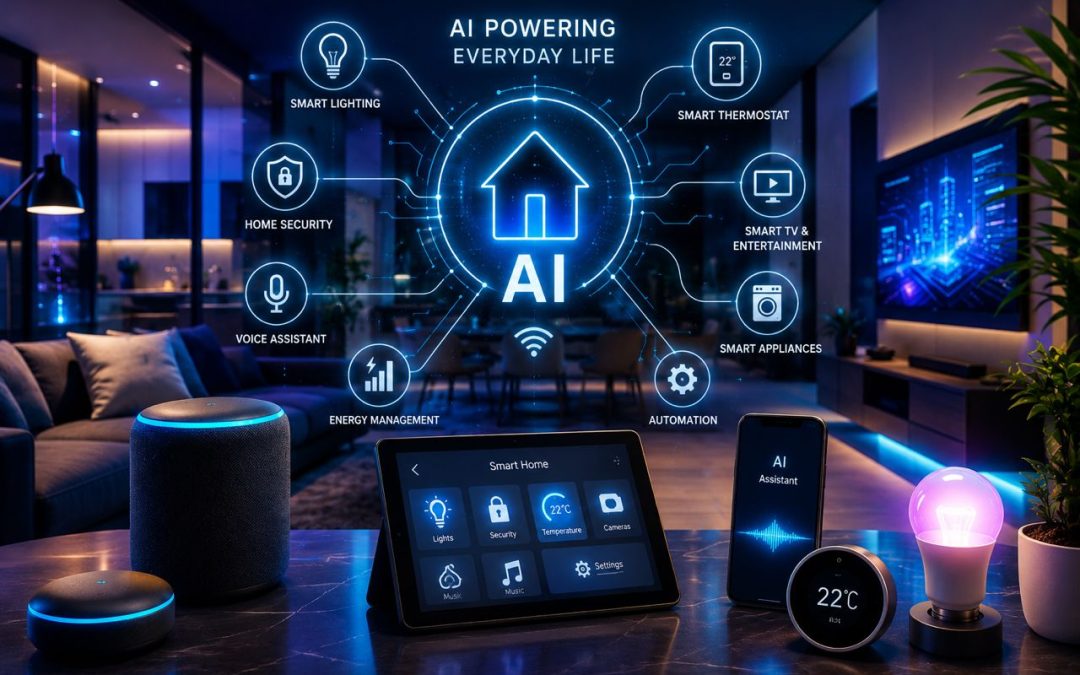
Artificial Intelligence (AI) is no longer a futuristic concept found only in science fiction movies. Today, AI has become a part of everyday life, helping people complete tasks faster, make better decisions, and enjoy more personalized experiences. From smartphones and smart homes to online shopping and healthcare, AI is transforming the way people live and work.
One of the most common examples of AI is the virtual assistant on smartphones and smart speakers. Tools like voice assistants can answer questions, set reminders, play music, and even control smart home devices. These systems use AI to understand human language and provide useful responses, making everyday tasks more convenient.
AI is also changing the way people use the internet. Search engines, social media platforms, and streaming services rely on artificial intelligence to recommend content based on user preferences. Whether someone is watching videos, listening to music, or shopping online, AI helps deliver personalized recommendations that match individual interests. This improves user experience and saves time when searching for information or entertainment.
In modern homes, AI-powered smart devices are becoming increasingly popular. Smart thermostats can automatically adjust room temperatures based on user habits, helping to reduce energy consumption. Smart security cameras can detect unusual activity and send alerts to homeowners in real time. Smart lighting systems can turn lights on or off automatically and create customized settings for different situations. These technologies make homes more comfortable, secure, and energy-efficient.
The healthcare industry has also benefited greatly from artificial intelligence. AI-powered systems help doctors analyze medical data, detect diseases earlier, and improve treatment planning. Some healthcare applications can monitor patient health remotely, allowing medical professionals to provide better care. Although AI does not replace healthcare experts, it serves as a valuable tool that supports medical decision-making and improves patient outcomes.
Education is another area where AI is making a significant impact. Students can use AI-powered learning platforms to receive personalized study recommendations and instant feedback. Educational tools can adapt to different learning styles, helping students understand difficult concepts more effectively. Teachers can also use AI to automate routine tasks, allowing them to focus more on teaching and student engagement.
Businesses are increasingly using AI to improve customer service and operational efficiency. Many companies use AI chatbots to answer customer questions and provide support around the clock. AI systems can analyze large amounts of data to identify trends, predict customer behavior, and assist with business planning. As a result, organizations can make smarter decisions and deliver better services.
Transportation is another industry being transformed by artificial intelligence. Navigation apps use AI to analyze traffic conditions and suggest the fastest routes. Some modern vehicles include AI-powered safety features that help drivers avoid accidents and improve road safety. As technology continues to advance, AI is expected to play an even greater role in transportation systems worldwide.
Despite its many benefits, AI also presents challenges. Concerns about privacy, data security, and job displacement remain important topics of discussion. Governments, businesses, and technology experts must work together to ensure AI is developed and used responsibly. Ethical guidelines and regulations can help maximize the benefits of AI while minimizing potential risks.
Artificial Intelligence is rapidly becoming an essential part of modern life. From improving convenience and productivity to enhancing healthcare, education, and transportation, AI is helping shape a smarter and more connected world. As technology continues to evolve, understanding and embracing AI will become increasingly important for individuals, businesses, and society as a whole.