
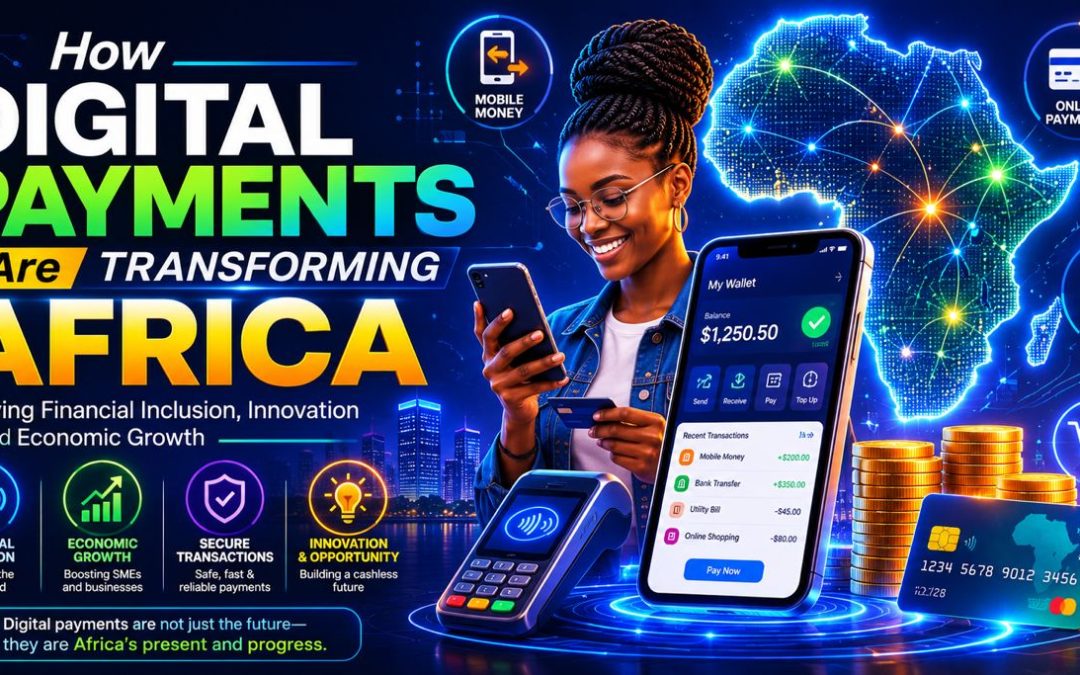
Africa is experiencing a digital revolution, and one of the most significant developments is the rapid growth of digital payments. Over the past decade, millions of people across the continent have adopted mobile money services, online banking platforms, digital wallets, and electronic payment systems. These technologies are changing how individuals and businesses manage money, making financial services more accessible, efficient, and secure.
Traditionally, many Africans relied heavily on cash transactions due to limited access to banking services. In rural areas especially, opening and maintaining a traditional bank account was often difficult because of distance, costs, and infrastructure challenges. Digital payment solutions have helped bridge this gap by allowing people to send, receive, and store money using mobile phones and internet-connected devices.
One of the biggest drivers of digital payment adoption in Africa is the widespread use of mobile phones. Even in regions where traditional banking infrastructure is limited, mobile phones are widely available. This has enabled fintech companies and mobile network operators to provide financial services directly to users through simple mobile applications and USSD services. As a result, millions of previously unbanked individuals now have access to financial tools that support their daily activities.
Digital payments have significantly improved convenience for consumers. Instead of carrying cash, users can pay for goods and services using their smartphones. Utility bills, school fees, transportation costs, and online purchases can now be completed within minutes. This convenience saves time and reduces the risks associated with carrying large amounts of cash.
Small businesses are also benefiting from the rise of digital payments. Entrepreneurs can accept payments electronically, track transactions more effectively, and expand their customer base. Digital payment systems provide better record-keeping, helping business owners manage finances and make informed decisions. This is particularly important for small and medium-sized enterprises that form the backbone of many African economies.
Cross-border transactions have become easier through digital payment platforms. Many Africans work, study, or conduct business across different countries. Digital financial services simplify international money transfers, making it faster and more affordable to send funds across borders. This has strengthened economic connections between countries and improved financial inclusion for many families who rely on remittances.
The growth of e-commerce is another area being fueled by digital payments. As online shopping becomes more popular across Africa, secure payment systems are essential for supporting digital marketplaces. Consumers are increasingly comfortable purchasing products and services online because digital payment platforms offer convenient and reliable transaction methods. This trend is helping local businesses reach new customers and participate in the digital economy.
Governments and financial institutions are also embracing digital payment technologies. Many public services now offer electronic payment options, reducing paperwork and improving efficiency. Digital payments can increase transparency, reduce corruption, and improve the collection of taxes and fees. These benefits support broader economic development goals and contribute to more efficient public administration.
Security has become a major focus within the digital payments industry. Modern payment platforms use encryption, authentication systems, and fraud detection technologies to protect users and their financial information. While challenges such as cybercrime still exist, ongoing investments in security are helping build trust among consumers and businesses.
Despite the progress, some challenges remain. Internet access, smartphone affordability, and digital literacy vary across different regions. Financial service providers, governments, and technology companies continue working together to improve infrastructure and educate users about safe digital financial practices. Addressing these challenges will be important for ensuring that the benefits of digital payments reach even more people.
Conclusion
Digital payments are transforming Africa by expanding financial inclusion, supporting businesses, improving convenience, and driving economic growth. Mobile money, digital wallets, online banking, and fintech innovations are making financial services more accessible than ever before. As technology continues to advance and adoption increases, digital payments will play an even greater role in shaping Africa’s economic future. For individuals, businesses, and governments alike, the shift toward digital finance represents a powerful opportunity to create a more connected, efficient, and inclusive economy