
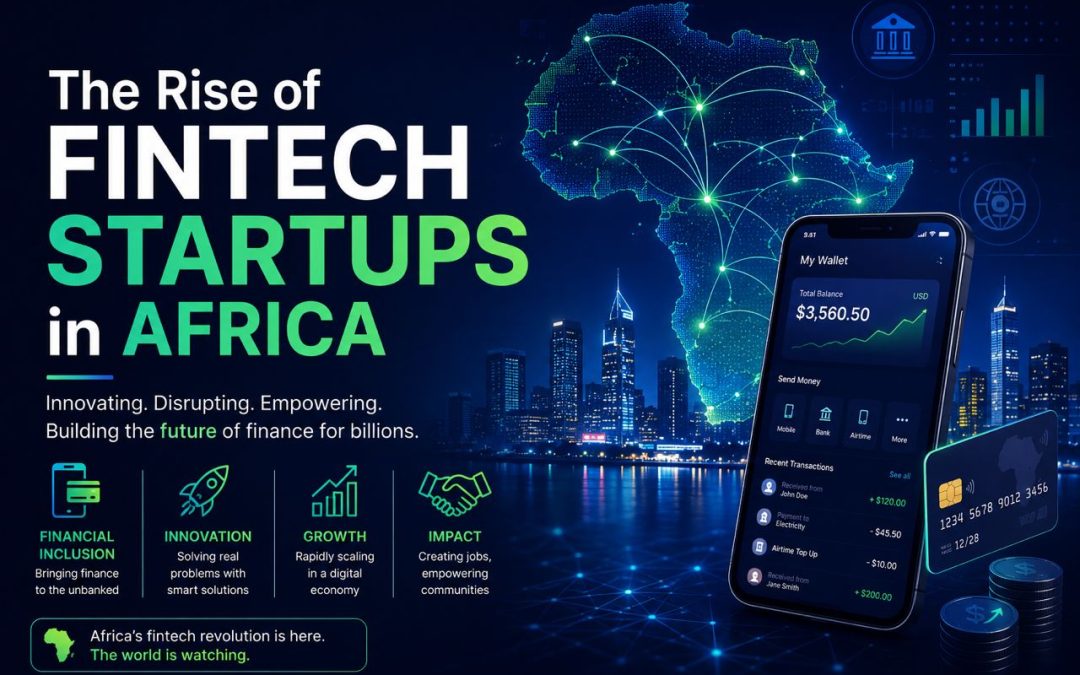
The financial technology industry, commonly known as fintech, has experienced remarkable growth across Africa over the past decade. As technology becomes more accessible and internet connectivity continues to improve, fintech companies are transforming the way people save, spend, borrow, invest, and transfer money. What was once a continent facing significant banking challenges is now becoming one of the world’s most exciting fintech markets. The rise of fintech in Africa is not only changing financial services but also driving economic growth and financial inclusion.
One of the key reasons behind the growth of fintech in Africa is the large number of people who have traditionally lacked access to banking services. For many years, millions of Africans lived without bank accounts due to limited banking infrastructure, high service costs, and geographical barriers. Fintech companies have addressed these challenges by using mobile technology to provide financial services directly to consumers. Today, people can access financial products through smartphones without needing to visit a traditional bank branch.
Mobile money services have played a major role in the fintech revolution. These platforms allow users to send and receive money, pay bills, purchase goods, and manage finances using mobile devices. Mobile money has become particularly important in rural communities where traditional banking services may be unavailable. By making financial services more accessible, fintech companies are helping millions of people participate in the formal economy.
The growth of smartphone adoption has also contributed significantly to fintech expansion. As smartphones become more affordable, more Africans can access digital financial services through mobile applications. Users can open accounts, make transactions, track spending, and manage investments from the convenience of their phones. This accessibility has accelerated the adoption of digital finance across different age groups and income levels.
Fintech is also transforming how businesses operate. Small and medium-sized enterprises (SMEs), which form a significant part of Africa’s economy, often face challenges accessing traditional financial services. Fintech solutions provide businesses with digital payment systems, accounting tools, business loans, and financial management platforms. These services help entrepreneurs improve efficiency, manage cash flow, and expand their operations.
Another important area of growth is digital payments. Consumers increasingly prefer cashless transactions because they are faster, safer, and more convenient. Digital wallets, online payment gateways, and mobile banking applications have made it easier for individuals and businesses to conduct transactions. The expansion of e-commerce across Africa has further increased demand for secure and reliable digital payment solutions.
Investment and lending platforms are also gaining popularity. Fintech companies are using technology and data analysis to assess creditworthiness and provide loans to individuals and businesses that may not qualify for traditional bank financing. This has created new opportunities for entrepreneurs, students, and small business owners seeking financial support.
Cross-border payments remain a significant opportunity for fintech innovation in Africa. Many African countries maintain strong economic relationships with neighboring nations and international markets. Fintech platforms are simplifying international money transfers by reducing transaction costs and processing times. This is particularly beneficial for families receiving remittances and businesses engaged in cross-border trade.
The rise of fintech has attracted substantial investment from both local and international investors. Venture capital firms, technology companies, and financial institutions recognize Africa’s potential as a growing digital economy. Increased investment has enabled fintech startups to develop innovative products, expand operations, and reach more customers across the continent.
Despite its rapid growth, the fintech industry still faces several challenges. Regulatory compliance, cybersecurity concerns, internet accessibility, and digital literacy remain important issues. Governments, regulators, and industry stakeholders continue working together to create policies that encourage innovation while protecting consumers. Strengthening digital infrastructure and improving financial education will be critical for sustaining long-term growth.
The future of fintech in Africa looks promising. Emerging technologies such as artificial intelligence, blockchain, and advanced data analytics are expected to create even more opportunities for innovation. These technologies can improve security, enhance customer experiences, and expand access to financial services for underserved populations.
Conclusion
The rise of fintech in Africa represents one of the most significant technological transformations on the continent. By expanding financial inclusion, supporting businesses, improving payment systems, and driving economic development, fintech is helping create a more connected and accessible financial ecosystem. As technology continues to advance and adoption grows, fintech will play an increasingly important role in shaping Africa’s economic future. The industry has already transformed millions of lives, and its impact is expected to become even greater in the years ahead.